
We have more ways to connect than ever before.
We can text friends instantly, comment on someone’s post, join an online community, watch live videos, participate in group chats, and follow the daily lives of people around the world.
Yet many people still feel lonely.
This can seem confusing. If we are constantly connected, why do we feel lonely online?
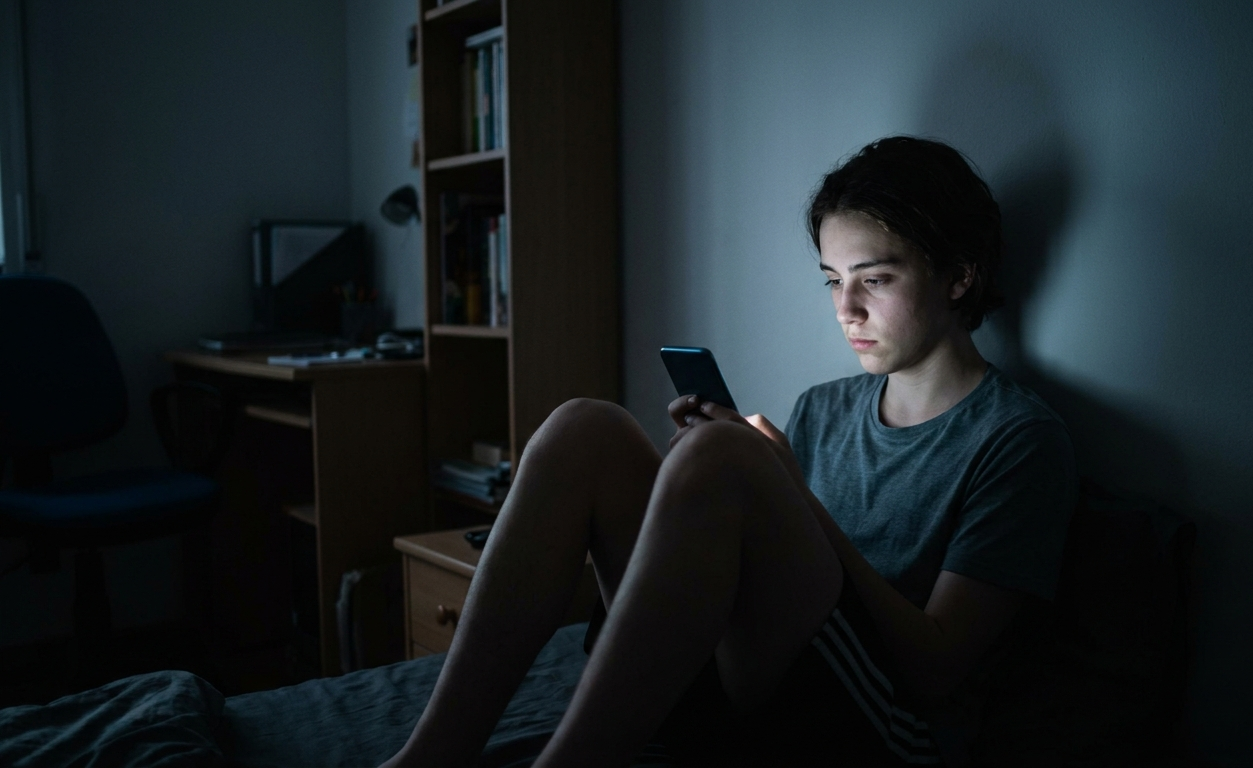
The answer may be that access to people is not the same as emotional connection. A person can receive dozens of notifications and still feel unseen. They can have hundreds of followers and still wonder who they could call during a difficult moment.
Online interaction can be meaningful, supportive, and even life-changing. However, digital connection does not always provide the depth, trust, presence, or mutual understanding that helps people feel that they truly belong.
Being Connected Is Not the Same as Feeling Connected
Social connection is not simply about the number of people in our lives.
A person may be surrounded by coworkers, friends, relatives, classmates, or online followers and still feel emotionally isolated. Loneliness is often connected to the gap between the relationships someone has and the level of connection they need or want.
You may be lonely online if you frequently think:
- “People know what I post, but they do not really know me.”
- “I have people to message, but no one I can talk to honestly.”
- “Everyone seems to have close relationships except me.”
- “I am always interacting with people, but I still feel alone.”
- “I do not know who would show up if I needed help.”
These feelings are more common than many people realize.
The digital world can make it easier to communicate while also making it easier to avoid vulnerability. We can share a photo, react to a post, or send a quick message without discussing what is happening beneath the surface.
Social Media Often Shows the Highlight Reel
Most people understand that social media does not show the entire picture. Even so, repeated exposure to carefully selected moments can affect how we view our own lives.
You may see:
- Friends traveling together
- Couples celebrating anniversaries
- Families sharing happy milestones
- Groups attending events
- People appearing successful and confident
- Posts suggesting that everyone else has a full and exciting social life
What you may not see are the disagreements, loneliness, financial concerns, insecurity, grief, or quiet struggles occurring behind the scenes.
Comparison can create the impression that other people are more connected or fulfilled than they really are.
When someone is already feeling isolated, scrolling through images of other people’s relationships may increase the belief that they are being left behind.
The issue is not necessarily that social media is always harmful. The impact may depend on how it is used, what a person is experiencing, and whether online activity supports or replaces meaningful relationships.
Online Interaction Can Be Brief and Fragmented
Digital communication often happens in short pieces.
A person may respond to messages while cooking, working, watching television, or preparing for bed. Conversations may be interrupted by notifications, distractions, or competing responsibilities.
This can create frequent contact without sustained attention.
A friend may “like” a post about a difficult day but never ask what happened. A group chat may be active all day but rarely include personal conversations. Someone may receive many birthday messages but still spend the day feeling emotionally alone.
Meaningful connection often requires more than contact. It may involve:
- Listening without immediately giving advice
- Remembering important details
- Asking thoughtful follow-up questions
- Sharing honestly
- Being present during difficult moments
- Feeling safe enough to be imperfect
These experiences can happen online, but they are not guaranteed by being digitally connected.
Why Online Validation May Not Feel Like Belonging
Likes, comments, views, and followers can create a brief sense of recognition. However, external validation is not always the same as feeling understood.
A person may receive positive feedback for an image or accomplishment while privately struggling with anxiety, grief, relationship problems, or low self-esteem.
When online approval becomes the main source of reassurance, people may begin to measure their value through engagement.
They may wonder:
- Why did this post receive fewer likes?
- Why did someone view my story but not respond?
- Why was I excluded from that group photo?
- Why do other people receive more attention?
- What does it mean if someone unfollows me?
These questions can create anxiety and encourage people to interpret small online interactions as evidence about their worth or relationships.
Human connection is usually more stable and complex than an algorithm.
Online Communities Can Still Be Meaningful
It is important not to assume that all online relationships are shallow.
Online communities can provide valuable support, especially for people who:
- Live far from family
- Have limited access to local community
- Are navigating a rare experience
- Feel misunderstood in their immediate environment
- Have difficulty attending in-person events
- Are seeking people with similar interests or experiences
Some people form close friendships online that continue for years. Digital communities can offer encouragement, education, and a sense of belonging.
The question is not whether online relationships are “real.” The question is whether a person’s online interactions are meeting their emotional needs and supporting a balanced life.
Loneliness Can Change the Way We Use Technology
When people feel lonely, they may spend more time online because it offers immediate distraction or interaction.
That can provide temporary relief. However, if online activity replaces opportunities for deeper connection, loneliness may continue.
For example, someone may:
- Scroll late into the night instead of calling a friend
- Watch other people’s lives instead of participating in activities
- Avoid social situations because online interaction feels safer
- Use social media to seek reassurance repeatedly
- Stay connected digitally while withdrawing emotionally from people nearby
This does not mean technology caused the loneliness. Sometimes people use technology because they were already lonely, anxious, depressed, or disconnected.
Understanding the pattern is more helpful than assigning blame.
How to Build More Meaningful Connection
Feeling lonely does not always mean you need more people. Sometimes it means you need more depth, honesty, or consistency in the relationships you already have.
Consider these approaches:
Reach Out With More Intention
Instead of sending a quick reaction, try asking:
“How have you really been?”
“I have been thinking about you. Do you have time to talk?”
“Would you like to get coffee this week?”
A specific invitation may create more opportunity for connection than a general statement such as “We should get together sometime.”
Share Something Real
Vulnerability can feel uncomfortable, but relationships often deepen when people share more than accomplishments and positive updates.
You do not have to disclose everything. Even saying, “I have been having a difficult week,” can open the door to a more meaningful conversation.
Make Room for In-Person Experiences
For people in Tampa, connection may grow through local classes, volunteer opportunities, faith communities, support groups, outdoor activities, or community events.
The goal is not to fill every hour. It is to create regular opportunities for shared experiences and relationships to develop naturally.
Notice How You Feel After Using Social Media
Pay attention to whether certain accounts, platforms, or types of content leave you feeling:
- Inspired
- Connected
- Informed
- Anxious
- Left out
- Inadequate
- Emotionally drained
Your emotional response may provide useful information about whether your online habits are supporting your well-being.
When Loneliness Becomes More Than a Passing Feeling
Loneliness can occur during life transitions, after a move, following a breakup, during grief, or when relationships change.
However, persistent loneliness may also occur alongside anxiety or depression.
If you are frequently withdrawing, losing interest in activities, feeling hopeless, struggling with sleep, or believing that no one would understand you, additional support may be helpful.
North Star Therapy offers individual therapy in Tampa for people navigating loneliness, anxiety, depression, life changes, and relationship concerns.
Therapy does not replace friendship or community. It can provide a confidential space to understand what may be contributing to loneliness and identify healthier ways to build connection.
Connection Requires More Than Being Seen
The internet allows us to be visible to many people. But visibility is not always intimacy.
Feeling connected often involves being known beyond a profile, a photo, or a carefully written post. It may involve someone remembering what matters to you, listening when life is difficult, and making space for your full experience.
If you feel lonely online, the answer may not be to delete every app or avoid technology completely. It may be to become more intentional about the type of connection you are seeking.
You may need fewer interactions but more meaningful ones.
You may need to move from passive scrolling to active participation.
You may need to tell someone that you have been feeling alone.
And you may need support while learning how to reconnect.
At North Star Therapy, we believe meaningful relationships are an important part of emotional well-being. Whether you are feeling disconnected from friends, family, a partner, or yourself, support is available.
You can be connected to the world and still need someone who truly understands you.