
When most people think about anxiety, they picture excessive worry, racing thoughts, or feeling nervous about what might happen next. Anxiety, however, does not exist only in your mind. It can also affect the way your body feels and functions. You might notice that your shoulders are constantly tense, your heart seems to race, or your stomach feels unsettled without an obvious explanation. You may have trouble falling asleep because your mind will not slow down, or you may wake up feeling exhausted even after getting enough hours of sleep. Sometimes, these physical changes are the first signs that something is wrong.
Understanding the connection between anxiety and physical symptoms can make it easier to recognize what you are experiencing and determine whether additional support could help.
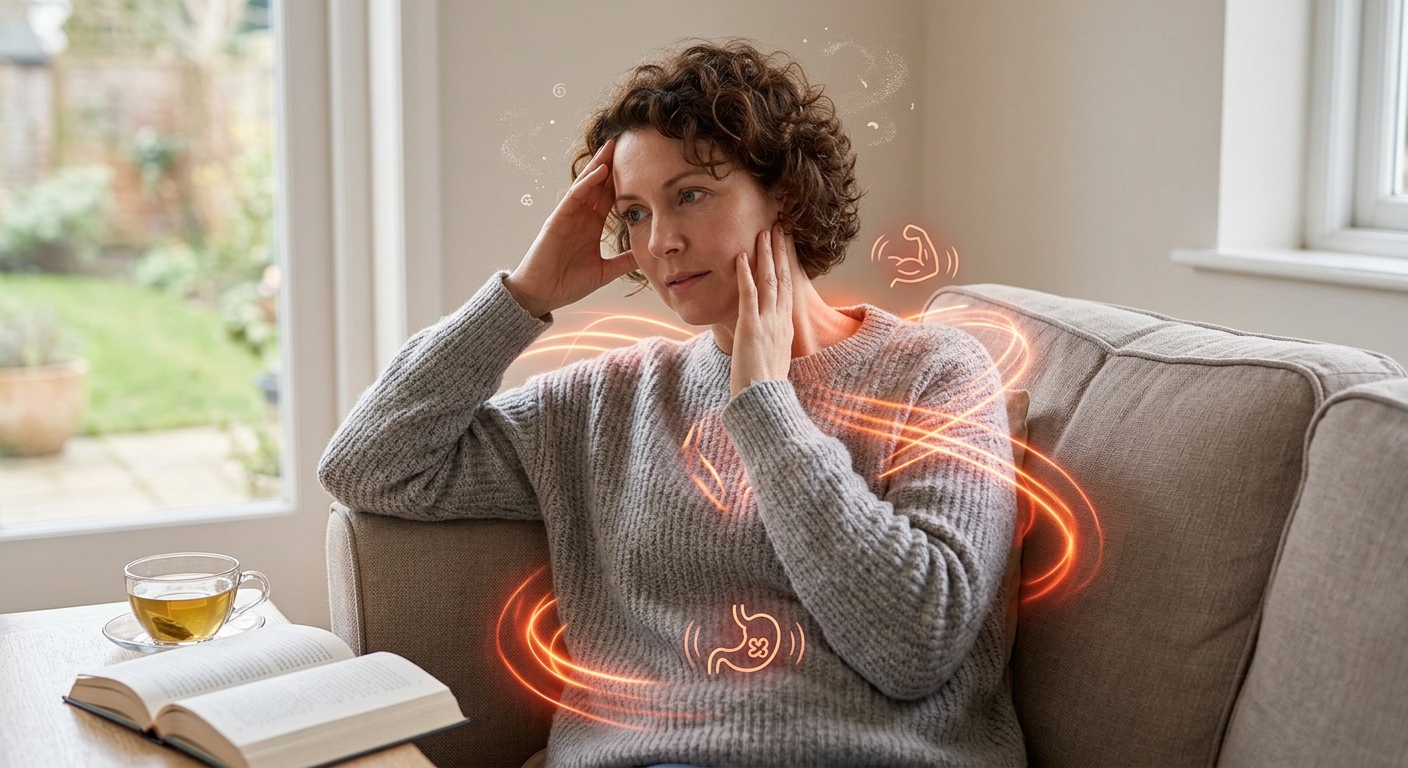
Why Anxiety Can Cause Physical Symptoms
Anxiety is part of the body’s natural response to perceived danger or stress. When your brain senses a threat, your body prepares to respond. Your heart rate can increase, your muscles can tense, your breathing can change, and your attention can become focused on identifying or responding to the perceived problem.
That response can be useful when you are facing immediate danger. The problem is that your body can have a similar reaction to ongoing worry, uncertainty, stress, or situations that feel emotionally threatening. When anxiety continues for an extended period, your body may remain in a heightened state of alertness. You may begin to notice physical symptoms even when you cannot identify one specific event that is causing them. North Star Therapy’s Tampa clinicians work with clients experiencing anxiety, panic, stress, and related concerns as part of individualized therapy.
Common Physical Symptoms of Anxiety
Physical anxiety symptoms can look different from one person to another. Some people notice several symptoms at once, while others experience one recurring symptom that becomes difficult to ignore. Common physical signs can include muscle tension, headaches, fatigue, difficulty sleeping, gastrointestinal discomfort, sweating, trembling, changes in breathing, or a noticeable increase in heart rate. Some people also describe feeling restless or unable to physically relax, even when they are sitting still. These symptoms can be especially confusing when they appear without an obvious trigger. You might find yourself wondering why you feel exhausted when you have not done anything physically demanding, or why your stomach feels uncomfortable when you have not eaten anything unusual.
The physical sensation is real, even when anxiety is contributing to it.
Anxiety Can Affect Sleep and Energy
Sleep is one area where anxiety can have a particularly noticeable effect. You may lie awake replaying conversations, thinking through tomorrow’s responsibilities, anticipating potential problems, or trying to solve situations that are outside your control. Even when you eventually fall asleep, persistent stress can leave you feeling mentally and physically drained. That can create a frustrating cycle. When you are exhausted, everyday responsibilities can feel more difficult. Those difficulties can create additional stress, which makes it harder to relax and sleep.
Over time, you may begin to believe that you simply need to work harder, become more organized, or get better at managing your schedule. Sometimes, however, the underlying issue is not a lack of productivity. It is that your mind and body have not had enough opportunity to come out of a prolonged state of stress.
Pay Attention to Patterns Instead of One Isolated Symptom
Experiencing a headache or a sleepless night does not automatically mean that you have an anxiety disorder. Physical symptoms can have many possible causes, which is why persistent or concerning physical changes should be discussed with an appropriate medical professional.
It can still be helpful to pay attention to patterns. Do your symptoms become more noticeable during stressful periods? Do you experience physical tension when you are worried about a particular situation? Do you feel better when you are able to relax, only to notice the symptoms returning when your responsibilities increase?
Looking at those patterns can provide useful information about the relationship between your emotional and physical experiences.
Anxiety Can Become a Cycle of Avoidance
Physical anxiety symptoms can also influence behavior. If certain situations repeatedly make you feel physically uncomfortable, you may begin avoiding them. You might decline social invitations because you are worried about feeling anxious in front of other people. You may avoid driving, traveling, making phone calls, attending meetings, or having difficult conversations because you anticipate how uncomfortable you will feel.
Avoidance can provide temporary relief, but it can also reinforce the belief that the situation is dangerous or unmanageable. Therapy can provide a place to understand that cycle and explore healthier ways of responding to anxiety rather than allowing physical discomfort to determine what you can and cannot do.
You Do Not Have to Wait Until Anxiety Becomes Overwhelming
Many people assume they should seek therapy only when anxiety has become severe enough to interfere with every part of their lives. That is not necessary. You can seek support when you recognize that worry, tension, physical symptoms, or avoidance are becoming patterns you do not want to continue.
North Star Therapy provides individual therapy in Tampa for people dealing with anxiety, stress, depression, trauma, life transitions, and other concerns. The practice also offers secure telehealth therapy throughout Florida. Therapy can help you better understand what is contributing to your anxiety, recognize patterns that may be keeping it going, and develop practical coping strategies that fit your circumstances.
When Should You Consider Anxiety Therapy?
You do not need to have every physical symptom of anxiety to benefit from therapy. What matters is how the symptoms are affecting your life. If anxiety is interfering with your sleep, relationships, concentration, work, social life, or ability to participate in activities you value, it may be worth talking with a mental health professional.
Therapy can also be helpful when you know something feels different but cannot quite explain why. You do not have to arrive with a diagnosis or a perfectly organized explanation of what is happening. Part of therapy is figuring that out together. If your body has been telling you that something needs attention, listening does not mean that something is necessarily wrong with you. It may simply mean that you have been carrying more stress than you realize.
Ready to Understand What Is Behind Your Anxiety?
You do not have to figure everything out on your own. Anxiety therapy can give you a supportive, confidential space to better understand what you are experiencing, explore what may be contributing to your anxiety, and develop healthier ways to manage it.