
You make it through the day. You stay busy, distracted, productive.
And then night comes.
Suddenly, your thoughts get louder. Your chest feels tighter. Small worries turn into overwhelming ones. You might replay conversations, anticipate worst-case scenarios, or feel a wave of unease that wasn’t there just hours before.
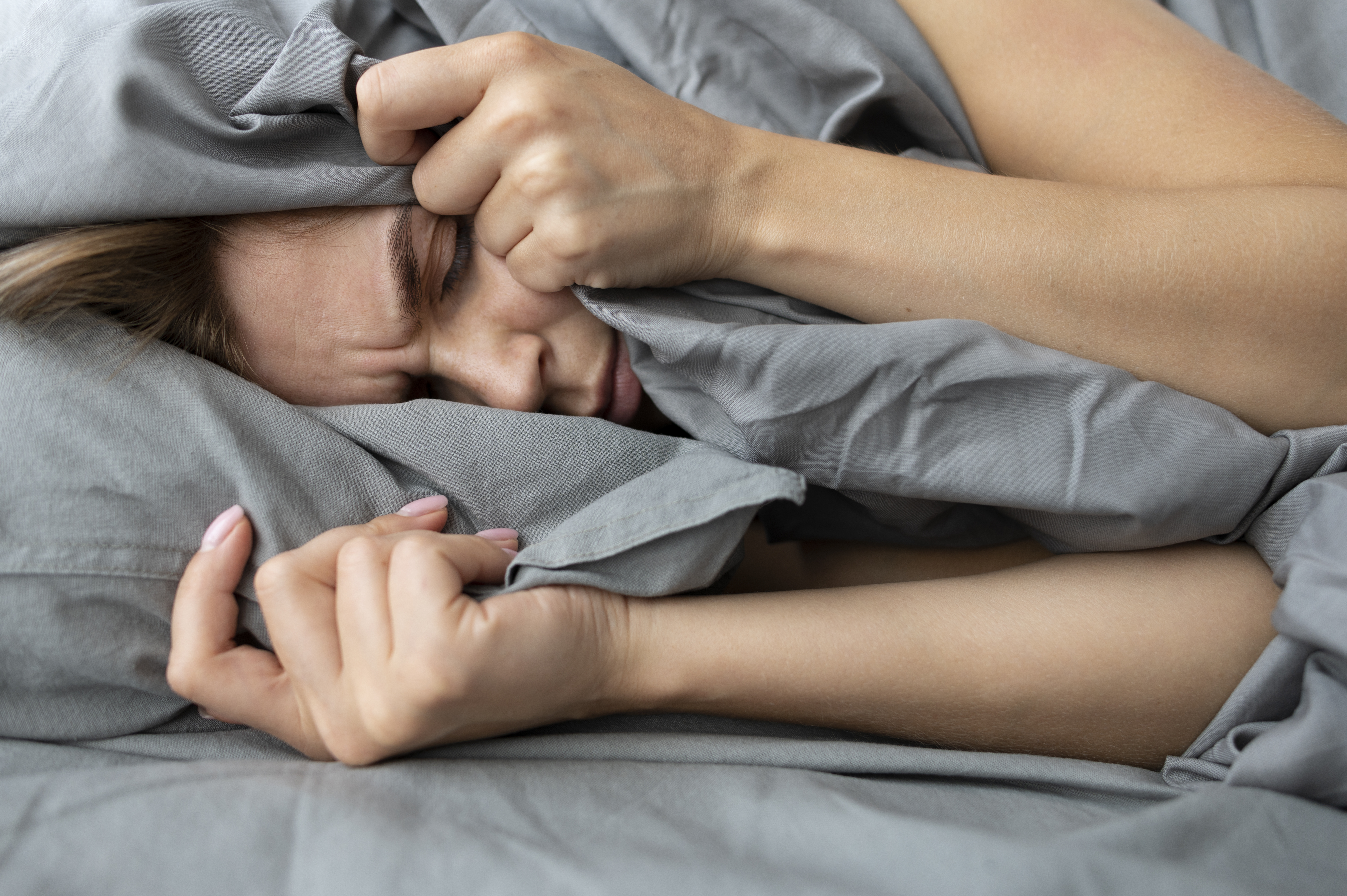
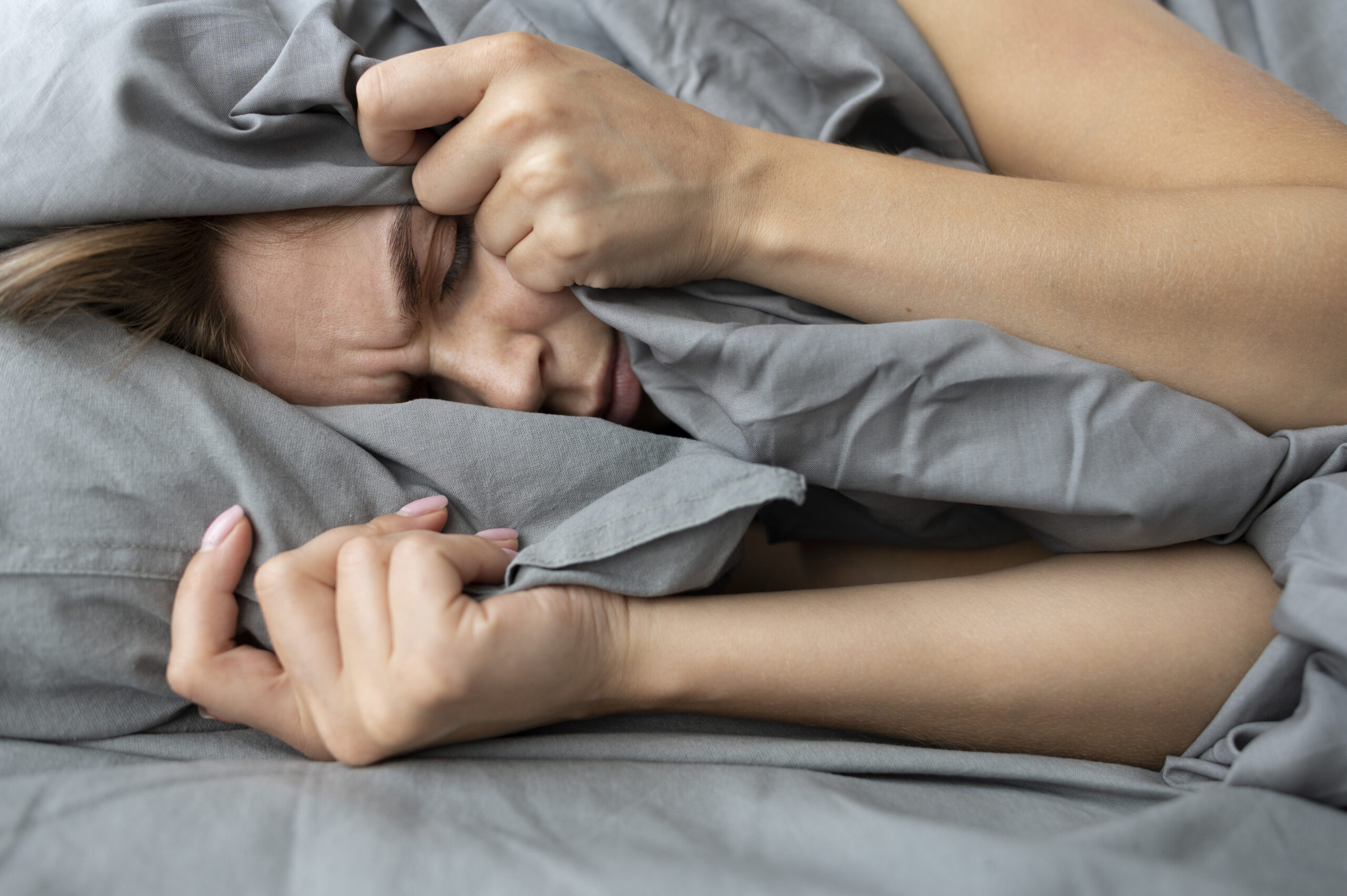
If this sounds familiar, you’re not alone. Nighttime anxiety is one of the most common patterns people report—and it’s not random.
If you’re exploring psychiatry in Tampa care or trying to better understand your own mental health, it helps to know there’s real science behind why anxiety often intensifies at night.
Your Brain Finally Has Space to Think
During the day, your mind is constantly occupied.
Work, conversations, notifications, and responsibilities. These all act as distractions. They keep your brain focused outward.
At night, that stimulation disappears.
And what’s left?
Everything you didn’t process earlier.
This includes:
- Unresolved stress
- Lingering emotions
- Worries you pushed aside
Your brain essentially says, “Now that we’re quiet, let’s deal with this.”
The Role of Cortisol and Your Internal Clock
Your body follows a natural rhythm called the circadian rhythm, which regulates sleep, energy, and hormones.
One key hormone is cortisol, which is associated with stress and alertness.
Cortisol levels are:
- Higher in the morning (to help you wake up)
- Lower at night (to prepare for sleep)
For some people, this drop creates a shift where:
- Mental guardrails feel weaker
- Emotional regulation becomes harder
- Anxiety feels more noticeable
It’s not that anxiety suddenly appears—it’s that your ability to manage it is reduced.
Mental Fatigue Makes Everything Feel Heavier
By the end of the day, your brain is tired.
And mental fatigue affects:
- Decision-making
- Emotional control
- Perspective
Things that felt manageable at 2 PM can feel overwhelming at 10 PM.
This is why nighttime thoughts often feel more intense, more urgent, and more believable—even if they aren’t.
The Quiet Amplifies Internal Noise
Silence isn’t always peaceful.
Without external input, your internal dialogue becomes louder. This can lead to:
- Overthinking
- Rumination (replaying the same thoughts)
- Catastrophizing (imagining worst-case scenarios)
And because there’s nothing to interrupt the loop, it can escalate quickly.
The Sleep-Anxiety Feedback Loop
Night anxiety doesn’t just stay at night—it spills into the next day.
Here’s how the cycle works:
- Anxiety makes it hard to fall asleep
- Poor sleep reduces emotional resilience
- The next day feels harder to manage
- Anxiety builds again at night
Over time, this loop reinforces itself.
Breaking it often requires addressing both anxiety and sleep patterns—something a psychiatry Tampa provider can help guide.
Behavioral Triggers You Might Not Notice
Certain habits can unintentionally make nighttime anxiety worse:
- Scrolling on your phone late at night
- Consuming stressful or stimulating content
- Lack of a consistent wind-down routine
- Irregular sleep schedules
These don’t cause anxiety—but they can amplify it.
What Actually Helps (Beyond “Just Relax”)
Telling someone to “just relax” at night isn’t helpful. What works is intentional structure.
- Create a Buffer Zone Before Bed
Give your brain time to transition. This might include:
- Dimming lights
- Turning off screens
- Doing something repetitive or calming
- Externalize Your Thoughts
Instead of letting thoughts spiral internally, get them out:
- Write them down
- Make a simple plan for tomorrow
- “Park” concerns for later
- Limit Stimulation
Even small inputs can keep your brain activated. Reducing noise—mentally and physically—matters.
- Address the Root Cause
If nighttime anxiety is frequent or intense, it’s not just a habit issue, it’s something worth exploring more deeply.
Working with a psychiatry Tampa provider can help identify whether:
- Generalized anxiety is present
- Medication could help regulate symptoms
- Sleep patterns need targeted support
When It’s More Than Occasional
Everyone has restless nights occasionally. But if you notice:
- Night anxiety happening most nights
- Difficulty falling or staying asleep
- Physical symptoms like racing heart or chest tightness
- Daytime functioning being affected
It’s time to take it seriously.
Nighttime anxiety isn’t a personal failure, it’s a predictable interaction between your brain, your body, and your environment.
Once you understand why it happens, you can start to change how you respond to it.
And with the right support, those overwhelming nights can become manageable—and eventually, much quieter.